Year-end payroll mistakes are rarely dramatic or obvious. They're a misspelled name, an old address, or a bonus run in the wrong week. Small mistakes can have a big impact. Changes result in a corrected W-2, a confused employee, and hours you don't have in January.
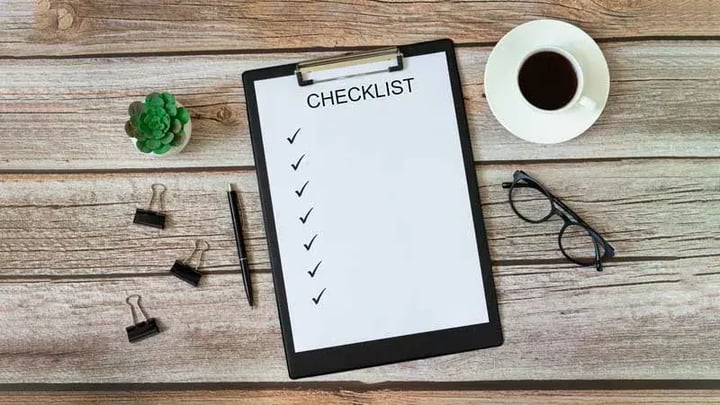
The fix is to start now. Here's your checklist to make it through November.
1. Look hard at your December and January check dates
This year the holidays fall on Fridays. Christmas Day is Friday, December 25, and New Year's Day is Friday, January 1, 2027. If Friday is your regular payday, both of those payrolls will likely move up a day.
The New Year's move matters more than it looks. Wages count in the year they're paid, so a check dated Thursday, December 31 is 2026 income. It also means new 2027 benefit elections and rate changes won't show on that paycheck. An employee who switched medical plans may see last year's deduction one more time.
None of that is a problem if you plan for it. Decide your holiday check dates now, confirm processing deadlines with your payroll team (banks close too), and tell employees what to expect on that first paycheck.
2. Clean up employee records before forms print
Most corrected W-2s trace back to basic data. Before your last payroll, confirm:
- Legal names match Social Security cards, including recent name changes
- Social Security numbers are complete and correct
- Mailing addresses are current, especially for anyone who moved this year
- Work and home states are right for remote and hybrid employees, since state withholding depends on them
The easiest way to do this is to ask employees to review their own information through self-service. If you use UKG Ready, they can update it there in a few minutes. While they're in, encourage them to opt in to electronic W-2s. They get faster access, with no mail delays.
3. Get ready for tips and overtime reporting
The 2026 W-2 adds reporting for qualified tips and qualified overtime pay. This supports new federal deductions employees can claim on their own returns.
For employers, it means your payroll records need to separate those amounts cleanly. If you have tipped employees or pay regular overtime, now is the time to check how you record tips and code overtime premiums. Restaurants, hospitality, healthcare, and construction employers will feel this most.
If you're a client, your Payroll Specialist will reach out to walk you through how this applies.
4. Report taxable fringe benefits before the final payroll
Some compensation never runs through a normal paycheck but still belongs on the W-2. Common examples:
- Personal use of a company vehicle
- Gift cards and cash gifts, whatever the amount
- Group-term life insurance coverage above $50,000
- Health insurance premiums for more-than-2% S corporation shareholders
- Moving expense reimbursements, which are taxable for most employees
Get these to payroll before your last 2026 run. Adding them after the fact usually means a correction.
5. Decide which year your bonuses belong to
Year-end bonuses follow the same rule as regular wages: they count in the year they're paid. A bonus paid December 30 is 2026 income. One paid January 4 is 2027 income.
Either can be the right choice. What matters is deciding on purpose, telling employees, and making sure bonus withholding is set up correctly. Our holiday bonus guide covers the details.
6. Send third-party sick pay statements as they arrive
If a disability insurer or other third party pays sick pay to your employees, you'll receive statements showing those payments. Entering them during the year means fewer January adjustments.
7. Reconcile before you close the year
Before the final payroll, compare your year-to-date payroll register against what was reported on your quarterly filings. Then check the following:
- Retirement plan deferrals against the annual limit
- HSA contributions, employer and employee combined, against the annual limit
- Benefit deductions against current enrollment
- Any employees who left during the year and still need a final W-2
Finding a gap in November is a quick fix. Finding it after W-2s go out is a correction for you and an amended return for your employee.
8. Know the deadline: February 1, 2027
W-2s are normally due to employees and the Social Security Administration by January 31. Form 1099-NEC for independent contractors has the same deadline. Because January 31, 2027 falls on a Sunday, the deadline moves to Monday, February 1.
If you paid contractors this year, collect any missing Forms W-9 now. Chasing a contractor for a taxpayer ID number in late January is nobody's idea of fun.
Your November to-do list
- Set December and January check dates around the holidays
- Ask employees to review names, addresses, and work states
- Promote electronic W-2s
- Review how tips and overtime are recorded
- Send taxable fringe benefits to payroll
- Decide bonus timing
- Forward any third-party sick pay statements
- Reconcile year-to-date totals
- Collect missing W-9s from contractors
Start January With Nothing to Fix
Year-end goes smoothly when someone watches the details in November, not when you scramble in January. Our payroll team does this for clients across the country every year, and we'd be glad to do it for you.
Let's talk.
This article is for general information only and isn't tax or legal advice. Rules and deadlines can change, so confirm specifics with your payroll provider or tax advisor.